Beschrijving
This book outlines methodologies to estimate the economic impacts of natural disasters based on business surveys conducted after large disasters in Japan.
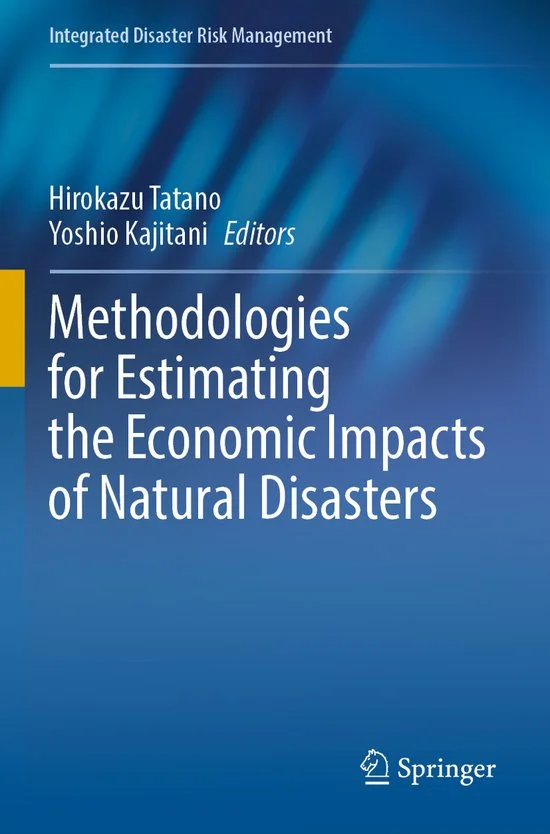
This book outlines methodologies to estimate the economic impacts of natural disasters based on business surveys conducted after large disasters in Japan. By including numerous observations on business activities in past disasters and the validations of both engineering and economic models based on these data sets, this book appeals to practitioners who estimate the regional economic impacts as well as to students and young professionals in various fields who conduct disaster impact studies. The book consists of 7 chapters and includes theories and practices, which help readers to interlink the estimation methods with real-world problems. The study primarily focuses on cases in Japan, but the methods employed can be generalized and applied in other countries.
This book outlines methodologies to estimate the economic impacts of natural disasters based on business surveys conducted after large disasters in Japan. By including numerous observations on business activities in past disasters and the validations of both engineering and economic models based on these data sets, this book appeals to practitioners who estimate the regional economic impacts as well as to students and young professionals in various fields who conduct disaster impact studies. The book consists of 7 chapters and includes theories and practices, which help readers to interlink the estimation methods with real-world problems. The study primarily focuses on cases in Japan, but the methods employed can be generalized and applied in other countries.